UI/UX Design
Structure, user journeys and interface design for websites and digital services — so that visitors can find what they need, understand it and take the next step without effort.
Why it matters
A website that is hard to use costs a business enquiries it never knew it could have had. Good UX and UI design removes the obstacles.
User experience (UX) design is concerned with structure and behaviour: how information is organised, how people move through it and what happens when they act. User interface (UI) design is concerned with how that experience looks and feels — the typography, layout, colour and components on each screen.
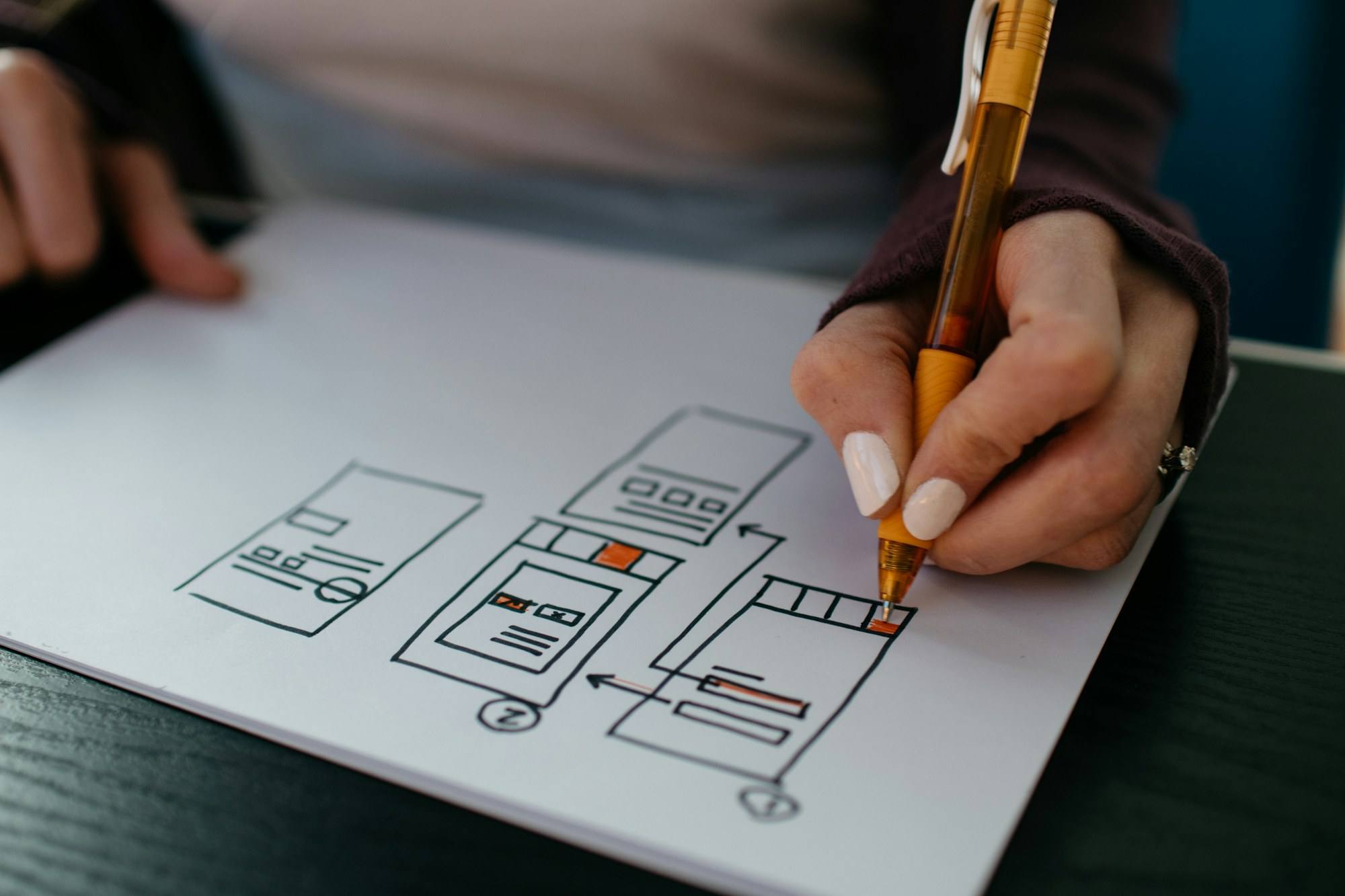
The two work best together. We start with requirements and structure, test ideas in simple wireframes, and only then design the finished interface. This keeps decisions grounded in what users and the business need, rather than in visual preference alone.
From requirements to finished design
The stages below are adjusted to the project. A small website may combine several of them.
Built in from the start
- Accessibility
- Sufficient colour contrast, readable type, keyboard access and meaningful structure are considered throughout, not added at the end.
- Content first
- Designs are built around real or realistic content, so that layouts work with the text and images the business will actually publish.
- Practical to build and maintain
- Designs are specified clearly for developers and use reusable components, so that the result can be built faithfully and updated without starting again.
Contact
Discuss a website or digital service.
Whether you are planning something new or improving what you already have, tell us who uses it and where it falls short.